



アメリカには中学生を対象にした犬のことを学べるサマーキャンプがあります。日本のインターナショナルスクールに通う田中玲雄くんが参加した経験談をアニドネスタッフがインタビューしました。玲雄くんが感じた犬の素晴らしさのレポートです。
*英訳下記参照

Profile
田中玲雄くん
犬をこよなく愛する日本在住の15歳。犬のことを学びたいと自らサマーキャンプを探し1週間の学びを経験。将来は動物のことをより探求したいという希望を持つ
ペンシルベニア大学が運営する作業犬の研究・訓練施設で行われるサマーキャンプ
2025年の夏、田中玲雄くんはアメリカ・フィラデルフィアで開催された「カナイン・ハンドラー・アカデミー」に参加しました。フィラデルフィアはニューヨークから車で約2時間南にある都市で、歴史や教育、食文化で知られています。
―どんな場所で行われたキャンプだったのですか?
「このキャンプは、Penn Vet Working Dog Center(WDC)で開催されます。WDCは、救急獣医師でもあるCindy Otto教授によって設立されました。
この施設はUniversity of Pennsylvania(ペンシルべニア大学)およびPenn Vet(獣医学部)と連携しており、Penn Vet は1800年代にまで遡る歴史ある獣医学部です。また、科学的根拠に基づいた嗅覚探知トレーニングや作業犬研究で世界的に高く評価されています。
キャンプは7月に初心者向けセッションが3回、上級セッションが1回実施され、上級は初心者を受講した人のみ参加可能です。参加者は少人数制で、初心者は1クラス約14人、上級は8人ほど。多くは近隣からの参加ですが、ネブラスカ州やミシガン州、カリフォルニア州など遠方から訪れる人もおり、捜索救助に関わる経験を持つ参加者もいました。」
―日本からの参加は珍しいのでしょうか?
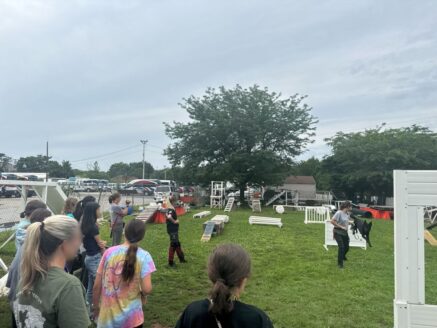
「はい、ほとんどがアメリカ国内からなので、日本から来たのは僕くらいでした。施設は大学のメインキャンパスとは別にあり、スクーカル川沿いの工業エリアに位置しています。瓦礫訓練用のスペースやアジリティエリアが広く確保されており、より現実に近い環境でトレーニングが行われました。
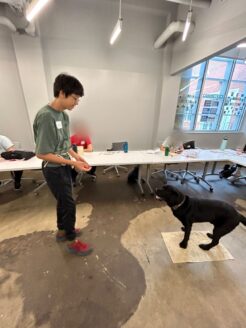
建物は近代的な3階建てで、非常に清潔でにおいもありません。隣の建物には10頭以上の訓練中の犬がいて、多くは大型犬でした。ラブラドール・レトリバーやジャーマン・シェパードなど、作業に適した犬種が多い一方で、『成功は犬種ではなく個体による』とトレーナーは話してくれました。性格や意欲、訓練への適性が重要で、コッカー・スパニエルが活躍した例もあるそうです。
また、犬たちは施設に住んでいるのではなく、すべて里親家庭で暮らしながら通っています。平均13か月で卒業し、アメリカ各地やカナダで実際の仕事に就きます。これまでに200頭以上が卒業しています。」
捜索救助・医療検知・警察犬まで幅広く学ぶ実践的なプログラム
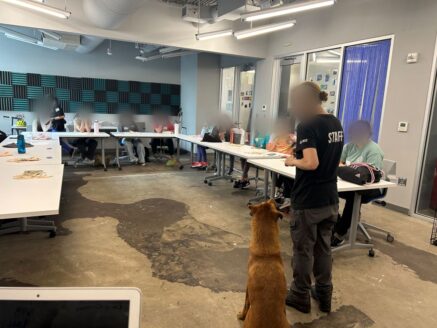
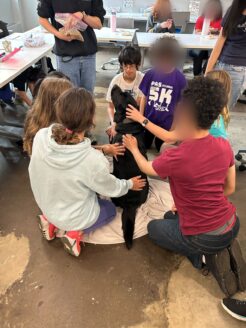
初日は午前9時に集合し、施設の案内と犬たちの紹介からスタート。いきなりトレーニングに入るのではなく、まず犬と触れ合い、お互いを知る時間が設けられていたのが印象的だったそう。
―最初に驚いたことは何でしたか?
「ただ犬と遊ぶのではなくて、“仕事としての犬”を学ぶ場所だったことです。プログラムでは、さまざまな種類の作業犬について学びました。
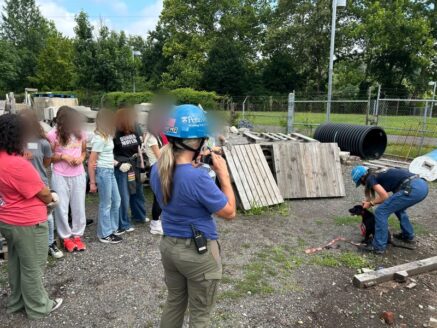
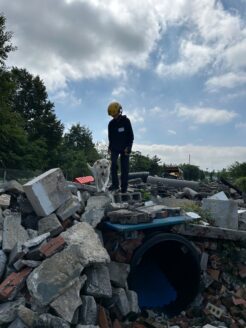
まずは『捜索救助犬』。行方不明者や災害時の被災者を見つける犬で、瓦礫の中に隠れた人を匂いで探す訓練を見学しました。WDCには実際の瓦礫を使った施設があり、現場に近い環境でトレーニングが行われています。
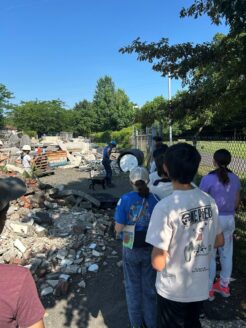
アジリティでは障害物を使った運動や、ブロックの上で体を伸ばし姿勢を保つトレーニングも行われていました。
次に『検知犬』。特定の匂いを見つける犬で、壁の穴や箱を使ったトレーニングを見学しました。穴の中にはおやつと「がんの匂い」が入れられており、犬はおやつではなく、がんの匂いだけを見つけるように訓練されます。」
―そんなに正確に見分けられるんですか?
「はい。もし匂いがなければ、犬は戻って座って教えてくれるんです。」
3つの箱を使う方法では、1つだけにがんの匂いが入っており、正しく見つけると犬達はご褒美がもらえるそう。その正確さはとても印象的だったと語る玲雄くん。
―テレビで見るのと違いましたか?
「実際に目の前で見ると、すごく迫力があって驚きました。最後に見学した『警察犬』は逃走犯を追う訓練でした。ジャーマン・シェパードが防護服を着た人の腕に噛みつく場面は迫力がありました。指示が終わるとすぐに穏やかな状態に戻るのが印象的でした。
4日目にはライアン動物病院を訪問し、犬や猫、放射線治療室などの高度な医療設備を見学しました。ここでは小型犬も多く、チャウチャウを初めて見ました。
最終日には保護者を前にプレゼンテーションを行い、ポスターやスピーチで学んだことを発表しました。」
犬は人を助けることに喜びを感じる存在
今回の体験を振り返り、玲雄くんが最も強く感じたのは「犬が人を助けることを楽しんでいるように見えたこと」でした。
― 一番印象に残っていることは何ですか?
「犬たちがすごく楽しそうに、人を助けていたことです。犬たちは施設に住んでいるわけではありませんが、とても大切にケアされ、愛情を受けている様子が伝わってきます。
施設には犬用のプールもあり、暑さ対策も十分にされていました。トレーニング方法も創造的で、研究に基づいた工夫が随所に見られます。スタッフが自分の大型犬を使って、小型犬に『犬にはさまざまなサイズがある』ことを教える場面もありました。
―今回の体験で考え方は変わりましたか?
「このキャンプに参加できたことをとても嬉しく思っています。作業犬の世界を実際に体験することができました。もちろん犬と遊んだり抱きしめたりするのも好きですが、犬はそれ以上の存在です。これほど人間の友達を助けることを喜びとする動物は、他にいないのではないかと思います。」
アニドネスタッフが感じた日本への示唆
今回のインタビューを通じて強く感じたのは、「犬の価値を“家庭内の存在”だけで終わらせていない社会」の姿でした。
今回の施設は、犬が人の命や社会を支える存在として体系的に育成され、そのための教育や研究、現場が一体となっています。さらに、中学生という早い段階からその世界に触れられる機会が用意されている点は非常に興味深いと感じました。
日本では、犬=ペットという認識が依然として強く、作業犬の存在や役割について触れる機会は限られています。しかし本来、犬は人の生活や社会課題の解決に寄与できる大きな可能性を持っています。
動物福祉の観点からも、「犬がその能力を発揮しながら人と共に生きる社会」は、人にとってもより豊かな社会につながるはずです。
アニドネとしても、こうした海外の先進事例をヒントに、日本における動物福祉のあり方や、犬と人との新しい関係性を考えていきたいと感じました。
※アニマル・ドネーションの活動を支援できる公式サポーターを募集しております。一緒に日本の動物福祉を変えていきましょう。キモチをカタチに。
※掲載の文章・写真はアニマル・ドネーションが許可を得て掲載しております。無断転載はお控えください。
Title
Dogs Find Joy in Helping People — A Middle School Student’s Summer Camp Experience
Overseas Report: United States Edition
Profile
Leo Tanaka, a 15-year-old living in Japan with a deep love for dogs.
Motivated by a desire to learn more about dogs and their behavior, he chose to participate in a US-based one-week summer camp. He hopes to further explore the world of animals in the future.
Lead
In the United States, there are summer camps where middle school students can learn about dogs.
An Animal Donation staff member interviewed Leo Tanaka, a student at an international school in Japan, about his experience.
This is a report on the wonderful qualities of dogs that Leo discovered through the camp.
A Summer Camp Held at a Working Dog Research and Training Facility Operated by the University of Pennsylvania
In the summer of 2025, Leo Tanaka participated in the Canine Handler Academy, held in Philadelphia, USA. Philadelphia is a city located about two hours south of New York by car and is well known for its history, education, and food.
— “What kind of place was the camp held at?”
“The camp takes place at the Working Dog Center (WDC), founded by Cindy Otto, an emergency veterinarian and professor at the University of Pennsylvania. It is connected to the university and Penn Vet—a historic veterinary school that dates back to the 1800s and is globally recognized for its scientifically based scent detection training and working dog research. It also plays an important role in bridging research and real-world applications.
The camp is held in July, with three beginner sessions and one advanced session. The advanced session is only available to students who have previously completed a beginner session.
The program is intentionally small, with about 14 students per beginner session and around 8 students in the advanced session. While most participants come from nearby areas, some travel from states such as Nebraska, Michigan, and California, and some have had experiences related to search and rescue.
— “Is it rare to have a student come from Japan?”
“Yes, most participants are from the U.S., so I was probably the only one from Japan.”
The facility is located separately from the university’s main campus, in an industrial area along the Schuylkill River. It has large spaces for rubble piles and agility training, allowing dogs to train in realistic environments.
The building itself is a modern three-story structure, extremely clean and completely odor-free. In a neighboring building, there were more than ten dogs in training, most of them large breeds.
Breeds such as Labrador Retrievers and German Shepherds are commonly used because they are well suited for working roles. However, trainers emphasized that “success depends on the individual dog, not the breed.” They explained that temperament, motivation, and trainability are key factors, and even a Cocker Spaniel has performed very well in scent detection work.
The dogs do not live at the facility. Instead, they stay in full-time foster homes and return there every day. On average, they graduate at around 13 months of age and go on to work across the United States and even in Canada. To date, more than 200 dogs have graduated.
A Hands-On Program Covering Search and Rescue, Medical Detection, and Police Dogs
The first day began at 9:00 a.m. with a tour of the facility and introductions to the dogs. Rather than jumping straight into training, participants first spent time interacting with the dogs and getting to know them.
— “What surprised you the most at the beginning?”
“It wasn’t just about playing with dogs — it was a place where we learned about dogs as working partners.”
The program introduced several types of working dogs.
First were “search and rescue dogs,” which locate missing persons or disaster victims. Leo observed training where dogs searched for people hidden within rubble using their sense of smell. The WDC has a real rubble training area, making the experience highly realistic.
There were also agility exercises, including obstacle courses and training where dogs stretched and held positions on blocks.
Next were “detection dogs,” trained to identify specific scents. Leo observed training using walls with holes and boxes. Some holes contained treats, while others contained the scent of cancer. The treats were intentionally included so dogs would learn to ignore distractions and focus only on the target scent.
— “Are they really that accurate?”
“Yes. If there’s no target scent, the dog comes back and sits to signal it.”
In another exercise using three boxes, only one contained the cancer scent. When the dog correctly identified it, it received a reward. Leo noted how impressive their accuracy was.
— “Was it different from what you see on TV?”
“Yes, seeing it in person was much more intense. The ‘police dogs’ we saw were trained to chase escaping suspects. A German Shepherd bit the arm of a decoy wearing protective gear, and it was very powerful. Once the handler gave the release command, the dog quickly returned to a calm and friendly state.”
On the fourth day, the group visited Ryan Veterinary Hospital, where they saw many dogs and cats as well as advanced equipment such as a radiation therapy room. Compared to the WDC, there were more small dogs, and this was also Leo’s first time seeing a Chow Chow.
On the final day, parents were invited to attend presentations. The students shared what they had learned through posters and speeches.
Dogs Find Joy in Helping People
Reflecting on the experience, what left the strongest impression on Leo was how much the dogs seemed to enjoy helping people.
— “What stood out to you the most?”
“The dogs looked like they were really enjoying helping people. Even though they don’t live at the facility, they are clearly very well cared for and loved.”
The facility even has shaded pools to help keep the dogs cool. Leo also noticed that the training methods were creative and based on scientific research. In one instance, a staff member used her large-breed dog to teach smaller dogs that “dogs can come in different sizes.”
— “Did this experience change how you think?”
“Yes. I’m really glad I was able to participate in this camp. I got a real-life glimpse into the world of working dogs. Of course, I love playing and cuddling with dogs, but they are so much more than that. I don’t think there is any other animal that is so willing and happy to help humans.”
Insights from Animal Donation Staff on Supporting Change in Japan
Through this interview, what stood out most was a society in which the value of dogs extends far beyond simply being “companions at home.”
At this facility, dogs are systematically trained to support human lives and contribute to society. Education, research, and real-world application are closely integrated. It is especially notable that students are given opportunities to experience this world from such a young age.
In Japan, dogs are still primarily viewed as pets, and opportunities to learn about working dogs and their roles are limited. However, dogs have significant potential to contribute to human life and help solve social challenges.
From an animal welfare perspective, a society where dogs can use their abilities while living alongside humans leads to a richer society for people as well.
Animal Donation hopes to use such international examples as inspiration to rethink animal welfare in Japan and explore new ways for humans and dogs to coexist.
*The text and photographs in this article are published with permission from Animal Donation. Unauthorized reproduction is prohibited.